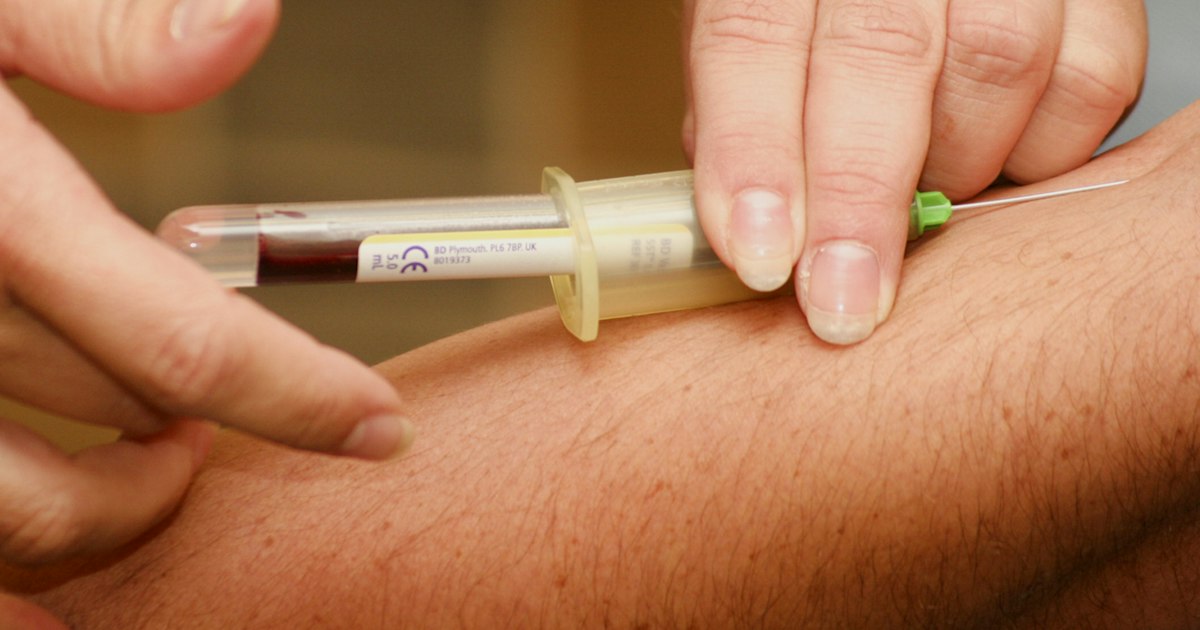

Testosterone undecanoate is the longest-acting form of testosterone used for replacement therapy. It is precisely this duration that makes it interesting for the science of male contraception and dangerous for those planning fatherhood. Our editorial team has examined why exogenous testosterone suppresses spermatogenesis, what clinical studies have shown, and what fertility recovery depends on.
The paradox: the hormone of masculinity that lowers fertility
Many men intuitively believe that more testosterone means better reproductive function. In reality it is the opposite: testosterone introduced from outside is one of the most reliable ways to temporarily halt sperm production. This effect is so consistent that the World Health Organization studied testosterone injections as a method of male contraception back in the 1990s.
Testosterone undecanoate (TU) is a testosterone ester with eleven carbon atoms in the side chain. In injectable form (for example, the drug Nebido) it forms a depot in the muscle from which the hormone is released over weeks. According to the official instructions, in replacement therapy injections are given at intervals of approximately 10–14 weeks. There is also an oral form in capsules, which is absorbed through the lymphatic system of the intestine.
For fertility, what matters is not the form but the very fact that testosterone comes from outside. The pituitary «sees» a sufficient level of androgens in the blood and stops sending the testes the signal to work. At the same time, the testosterone concentration inside the testes, which is normally tens of times higher than in the blood, drops sharply, and it is precisely this that is needed for sperm maturation.
Because of TU's long action, this effect cannot be «switched off» quickly: the drug already injected into the muscle keeps acting for weeks. That is why fertility questions must be discussed with a doctor before starting therapy, not after.
The mechanism of spermatogenesis suppression
Spermatogenesis is governed by the «hypothalamus–pituitary–testes» axis. The hypothalamus releases gonadoliberin (GnRH) in pulses; in response the pituitary produces luteinizing (LH) and follicle-stimulating (FSH) hormones. LH stimulates Leydig cells to synthesize testosterone, while FSH together with high intratesticular testosterone supports the work of the Sertoli cells that «nurture» sperm.
Exogenous testosterone and the estradiol formed from it act on the hypothalamus and pituitary by the principle of negative feedback. The secretion of LH and FSH decreases, often to an almost undetectable level. Leydig cells lose their stimulus, intratesticular testosterone falls, and Sertoli cells without FSH do not support the maturation of germ cells.
Outwardly this may manifest as a reduction in testicular volume, since the seminiferous tubules make up the main part of their volume. In the semen analysis, the sperm concentration first decreases (oligozoospermia), and in a significant proportion of men, after a few months, azoospermia sets in, the complete absence of sperm in the ejaculate.
Importantly, the testosterone level in the blood may be normal or even high, while libido and erection are preserved. That is, the man does not feel that his fertility is reduced and learns of it only from a test or through the absence of a partner's pregnancy.
The degree of suppression depends on the dose, the steadiness of the hormone level and individual sensitivity. Long esters, like undecanoate, give a more stable concentration, which makes the suppression more uniform and prolonged.

What contraceptive studies have shown
The most convincing data on the effect of testosterone on fertility come precisely from studies of male hormonal contraception. A multicenter WHO study published in The Lancet in 1990 showed that weekly injections of testosterone enanthate caused azoospermia in most healthy men, and in couples where it was achieved, pregnancies occurred rarely.
Testosterone undecanoate was studied as a more convenient alternative with less frequent injections. A large multicenter study in China (Gu et al., 2009) involving more than a thousand men showed that monthly TU injections provided high contraceptive efficacy in the efficacy phase. At the same time, in some participants the suppression of spermatogenesis was incomplete, the so-called «non-responders».
- In most men, the sperm concentration falls to the contraceptive threshold within a few months.
- A minority of men do not achieve sufficient suppression even with regular injections.
- After stopping the injections, spermatogenesis recovered in the vast majority of study participants.
- Testosterone itself is not registered as a contraceptive and must not be used as one.
The last point is critically important. Because of individual variability, testosterone does not guarantee infertility, so it cannot be used to prevent pregnancy. And conversely, one cannot count on fertility being preserved during therapy.
The integrated analysis by Liu and colleagues (The Lancet, 2006), which combined data from more than a thousand men from various hormonal contraceptive studies, became the main source of knowledge about recovery after such regimens. More on it in the next section.
Fertility recovery: timing and factors
According to the analysis by Liu et al. (2006), the median time for sperm concentration to recover to the threshold level after stopping hormonal contraceptive regimens was several months, and the probability of recovery within two years was very high. However, these data were obtained in young healthy volunteers with normal baseline fertility and under medical supervision.
| Factor | Effect on recovery |
|---|---|
| Age | Older age was associated with slower recovery |
| Duration of use | Longer suppression, a longer road back |
| Type of ester | Long esters (undecanoate) persist longer in the depot |
| Baseline state | Existing fertility disorders worsen the prognosis |
| Supraphysiological doses and combinations | The prognosis is less predictable, persistent hypogonadism is possible |
For undecanoate it is important to consider that after the last injection the drug continues to be released from the depot for a long time. Therefore the recovery «clock» actually starts ticking not on the day of the last injection but much later, when the level of exogenous hormone declines.
In men who used androgens without medical supervision, the picture is more complex. The review by Rahnema et al. (2014) describes steroid-induced hypogonadism, in which recovery of the axis may take months, and in some people remains incomplete. The study by Kohn et al. (2017) showed that age and the duration of testosterone therapy are related to the time of recovery of sperm count.
Thus, the data on «full recovery» from contraceptive studies cannot be automatically transferred to all situations. Each case requires an individual assessment by an andrologist.
Examination and family planning
The clinical guideline of the Endocrine Society (Bhasin et al., 2018) directly states that testosterone therapy should not be prescribed to men planning conception in the near future. For such patients with hypogonadism, doctors consider other approaches aimed at stimulating the body's own hormonal axis, the choice of the specific method depends on the cause of the deficiency and is determined only by a specialist.
If a man is already receiving TU and is planning children, the first step is a consultation with an andrologist or reproductive specialist. The doctor will assess how much time has passed since the last injection, order tests and propose a strategy.
- Semen analysisthe main indicator of fertility; two samples with an interval are desirable.
- LH and FSHshow whether the pituitary has «woken up».
- Total testosterone and estradioltaking into account the residual action of the depot.
- Scrotal ultrasoundas indicated, to assess testicular volume.
A separate option worth discussing before starting long-term therapy is sperm cryopreservation. This is a simple way to preserve reproductive capacity, especially for men who need testosterone for medical reasons.
Independent attempts to «recover» with drugs bought without a prescription are dangerous: they can mask the problem, cause side effects and delay seeking qualified help.
Editorial conclusions
Testosterone undecanoate, like other forms of exogenous testosterone, suppresses the production of LH and FSH and reduces spermatogenesis down to azoospermia. This is a predictable pharmacological effect, not a rare side effect.
Contraceptive studies have shown that in most healthy men, spermatogenesis recovers after stopping the injections, but this process takes months, and age and duration of use slow it down. Testosterone is not a reliable contraceptive at that.
Men planning fatherhood should discuss fertility with a doctor before starting therapy, and if treatment has already begun, undergo examination rather than act blindly.
We also recommend reading our materials on how to read a semen analysis, on steroid-induced hypogonadism, and on the pharmacokinetics of long testosterone esters.
References
- World Health Organization Task Force on Methods for the Regulation of Male Fertility. Contraceptive efficacy of testosterone-induced azoospermia in normal men. Lancet. 1990;336(8721):955–959.
- Gu Y, Liang X, Wu W, et al. Multicenter contraceptive efficacy trial of injectable testosterone undecanoate in Chinese men. J Clin Endocrinol Metab. 2009;94(6):1910–1915.
- Liu PY, Swerdloff RS, Christenson PD, et al. Rate, extent, and modifiers of spermatogenic recovery after hormonal male contraception: an integrated analysis. Lancet. 2006;367(9520):1412–1420.
- Rahnema CD, Lipshultz LI, Crosnoe LE, et al. Anabolic steroid-induced hypogonadism: diagnosis and treatment. Fertil Steril. 2014;101(5):1271–1279.
- Kohn TP, Louis MR, Pickett SM, et al. Age and duration of testosterone therapy predict time to return of sperm count after human chorionic gonadotropin therapy. Fertil Steril. 2017;107(2):351–357.
- Bhasin S, Brito JP, Cunningham GR, et al. Testosterone therapy in men with hypogonadism: an Endocrine Society clinical practice guideline. J Clin Endocrinol Metab. 2018;103(5):1715–1744.
- Nieschlag E, Behre HM, Nieschlag S (eds). Testosterone: Action, Deficiency, Substitution. 4th ed. Cambridge University Press; 2012.
Andriy Melnyk
A strength-sports coach and author of programs for beginner and intermediate levels. Writes about training planning.